E-Waste Pickup Made Easy: A Guide to Our Recycling Services
E-waste has become a pressing environmental challenge as technology continues to evolve. A growing number of people find it difficult to properly discard their old electronic devices. Understanding the process of e-waste pickup can make this responsibility easier. Knowing what to expect from professional recycling services is essential. As the need for effective waste management rises, the impact on both people and the planet merit deeper consideration.
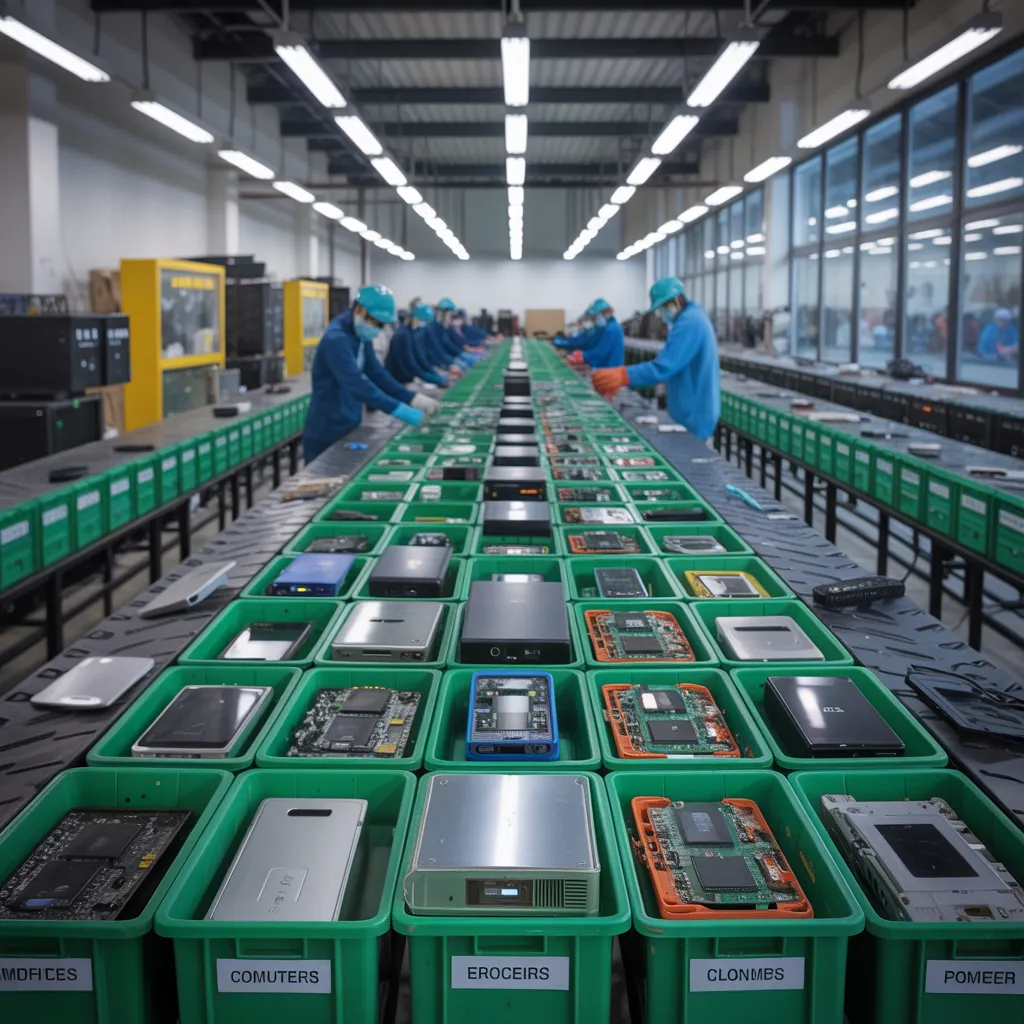
What Is Electronic Waste and Why Does It Matter?
E-waste, short for electronic waste, includes discarded electronic devices such as computers, smartphones, and televisions. This increasing type of waste creates substantial environmental hazards. As technology continues to evolve at a fast rate, many users upgrade their devices more regularly, resulting in greater amounts of electronic waste. Improper disposal can release harmful substances, including lead, mercury, and cadmium, into the environment, contaminating soil and water sources.
Furthermore, e-waste contributes to resource depletion, as critical materials including gold, silver, and copper are regularly squandered when devices are discarded rather than recycled. Educating people about e-waste is of great importance, as people and companies alike can take part in reducing its impact. By grasping the significance of e-waste, communities can participate in more responsible disposal practices and support recycling initiatives. When all is considered, caring about e-waste not only preserves the ecosystem but also fosters an eco-friendly economy.
E-Waste Recycling Items We Accept
An extensive variety of electronic gadgets can be accepted for recycling, working to reduce the environmental impact of e-waste. Frequently accepted items include old computers, laptops, tablets, and smartphones, which often contain hazardous materials. Additionally, peripherals such as printers, keyboards, and mice are also welcome. Televisions, monitors, and other display devices are included in the accepted categories, guaranteeing the secure removal of toxic components.
Domestic appliances, such as microwaves and refrigerators, may also qualify, so long as they are not in working condition. Batteries, especially rechargeable ones, are important to include in recycling programs due to their chemical content. Networking devices, audio equipment, and gaming consoles are other examples of eligible materials.
How to Set Up Your E-Waste Pickup
Looking to set up an e-waste pickup? Scheduling an e-waste pickup is a straightforward process designed for convenience. Anyone interested can start by navigating to the recycling service's website, where they will find a dedicated section for scheduling pickups. In most cases, a simple online form is provided that collects fundamental information such as name, address, and the types of e-waste to be collected.
After submitting the form, individuals will receive a confirmation email outlining the confirmed date and time. Numerous services additionally provide a call-in option for people who prefer a more personal approach. It is advisable to check for any particular prerequisites, including item packaging or preparation guidelines, ahead of the collection time. Furthermore, a number of recycling companies may supply extra information and suggestions for effective electronic waste management, facilitating an organized and productive collection process. This allows individuals to contribute to responsible e-waste management.
Why E-Waste Disposal Should Matter to You
E-waste disposal is vital for safeguarding the environment and public health. Improper handling of electronic waste can lead to hazardous materials contaminating soil and water, posing serious health risks. Acknowledging the necessity of responsible electronic waste management is fundamental to achieving a sustainable future.
Environmental Impact Awareness
What makes proper electronic waste disposal a concern for individuals? E-waste poses a serious threat to the environment, as improperly discarded electronics contribute to pollution and resource depletion. A wide range of electronic devices harbor toxic chemicals, such as lead and mercury, which may seep into soil and water supplies, causing damage to ecosystems and wildlife. Moreover, improperly disposed e-waste results in the forfeiture of recyclable resources like gold, copper, and rare earth elements. By increasing awareness of proper e-waste disposal methods, individuals can help reduce their carbon footprint and promote sustainable practices. Supporting recycling initiatives not only minimizes environmental harm but also fosters a circular economy, where materials are reused and repurposed, ultimately benefiting future generations and the planet.
Health Risk Reduction
Improper disposal of electronic waste poses serious health risks to communities and individuals alike. Toxic substances found in e-waste, such as lead, mercury, and cadmium, can leach into soil and groundwater, contaminating local water supplies and food sources. Exposure to these hazardous materials can lead to severe health issues, including neurological damage, respiratory problems, and increased cancer risks. Moreover, unofficial recycling operations tend to intensify these hazards, since workers may not have proper protective gear when disassembling devices. Through choosing responsible e-waste management via certified recycling programs, individuals can reduce these health risks, creating healthier environments for themselves and their communities. Awareness of these dangers underscores the critical importance of proper e-waste management.
How We Maintain Safe and Green E-Waste Recycling Practices
In an era growing ever more dependent on technology, the safe and eco-friendly recycling of electronic waste is essential for preserving the environment. To achieve this, companies implement rigorous processes that conform to environmental rules and established practices. They begin by conducting thorough assessments of e-waste, categorizing items based on material types and potential hazards. This guarantees that harmful substances, such as mercury and lead, are handled appropriately.
Additionally, sophisticated recycling processes are used to extract valuable materials, reducing waste sent to landfills. Advanced facilities powered by state-of-the-art technology responsibly break down devices, categorizing parts for repurposing or recycling. In addition, these companies prioritize partnerships with certified recyclers who share a commitment to eco-friendly practices.
Employee training further enhances protective measures, confirming that every employee is well-informed regarding managing materials that may pose risks. Through these extensive strategies, businesses take on a significant part in advancing a sustainable circular economy while safeguarding both human health and the environment.
Benefits of Using Our E-Waste Pickup Services
Utilizing professional e-waste collection services facilitates the procedure for discarding unwanted electronics while fostering environmental stewardship. Such solutions eliminate the challenge of transporting items, permitting customers to easily arrange collections at their scheduling preference. This not only conserves time but also decreases the chance of inappropriate disposal, making certain that dangerous materials are processed appropriately.
Additionally, these services often furnish paperwork confirming the waste processing method, which is advantageous for businesses seeking to follow legal guidelines. Utilizing professional services also improves community understanding about electronic waste concerns, prompting more people to embrace environmentally responsible behaviors.
Additionally, numerous e-waste pickup services partner with accredited recycling centers, ensuring that materials are processed in an environmentally friendly manner. This collective effort contributes greatly to reducing landfill waste and conserving natural resources, rendering e-waste removal services an environmentally conscious option for individuals and organizations alike.
Popular Questions Regarding E-Waste Disposal
What should one know about e-waste disposal? Numerous people frequently have inquiries about the appropriate methods and rules surrounding electronic waste. To begin with, it is essential to recognize that e-waste encompasses discarded devices like computers, televisions, and smartphones, which harbor harmful substances. Responsible disposal is critical for safeguarding the environment.
Another typical question relates to local recycling options. Many communities offer specific drop-off points or arranged collection services for e-waste. It is advisable to check local regulations, as various localities may maintain distinct disposal protocols.
Questions often arise regarding the security of personal data. Before disposing of or recycling devices, it is essential that individuals verify all personal data has been thoroughly deleted.
Additionally, cost-related concerns may arise. Many e-waste recycling services are free, but a few may levy charges for select devices. Understanding these aspects can facilitate responsible e-waste management.
Frequently Asked Questions
How Is Data Security Maintained During E-Waste Recycling?
To ensure information security throughout electronic waste recycling, the organization utilizes industry-certified data destruction techniques, including physically destroying storage devices and thorough data wiping, thereby safeguarding sensitive information across the full recycling process.
What Takes Place with E-Waste After Collection?
Following collection, e-waste is organized, disassembled, and handled. Valuable materials are recovered for reuse, while toxic components are responsibly eliminated. This upholds environmental standards and advances resource recovery within the recycling process.
Is There a Fee for E-Waste Pickup Services?
Costs for e-scrap collection will fluctuate subject to location and service provider. Certain providers could include complimentary collection, while other providers could impose a charge based on the quantity or category of electronic materials being collected.
Can I Donate My Old Electronics Instead?
People can certainly give away used electronics to numerous nonprofit organizations, educational institutions, or community hubs. Most of these organizations welcome working devices, promoting reuse while Get it now reducing waste. Giving away electronics helps those who need them most, making it a worthwhile and positive decision.
What Is the Environmental Impact of E-Waste Recycling?
The environmental impact of e-waste recycling is significant, minimizing landfill overcrowding, conserving natural resources, and limiting the discharge of harmful substances. Responsible recycling initiatives support sustainability and reduce the environmental impact linked to discarded electronics.